due-dates7m
How Accurate Is Your Due Date? What Research Shows
Read
Clinical guides on labor timing, delivery probability, and birth preparation, written for expecting parents and birth professionals.
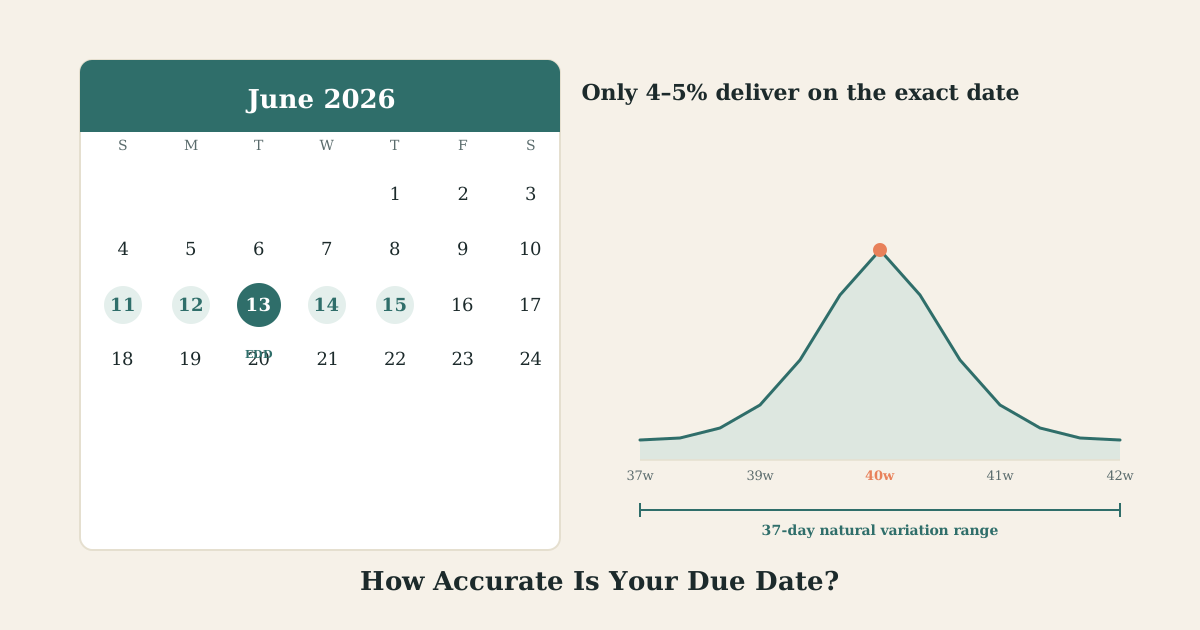
Only 4-5% of babies arrive on their due date. Here's what the research says about how accurate EDD calculations really are, and what that means for you.
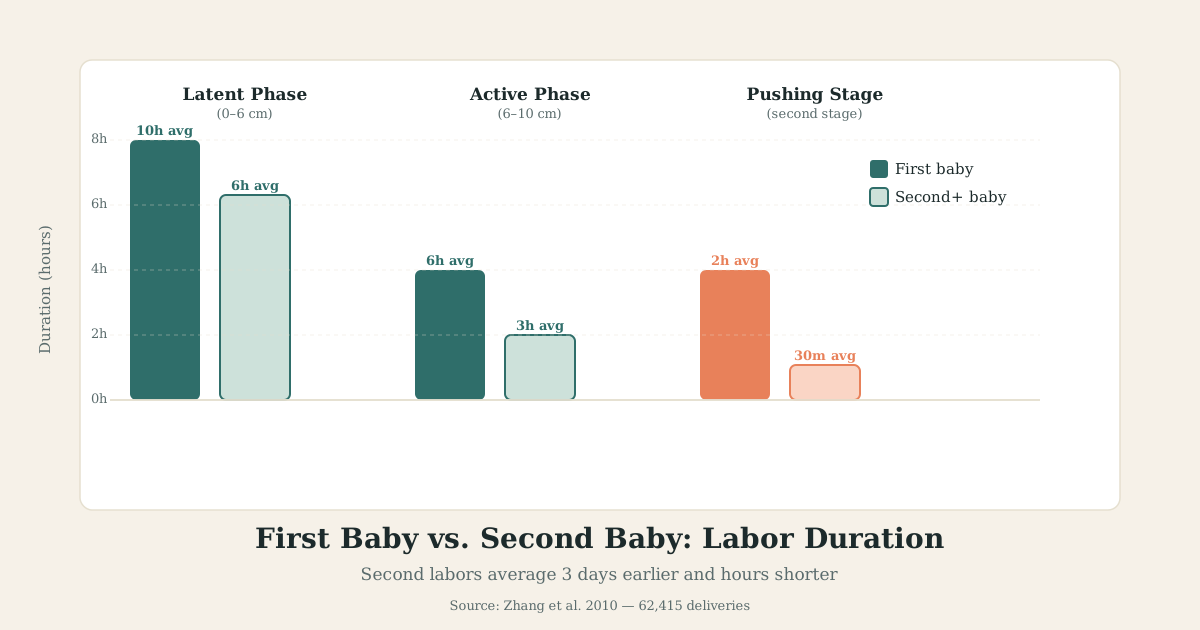
Second labors average 3 days earlier and hours shorter than first. Here's what the data shows about how labor timing and duration differ between first and subsequent births.
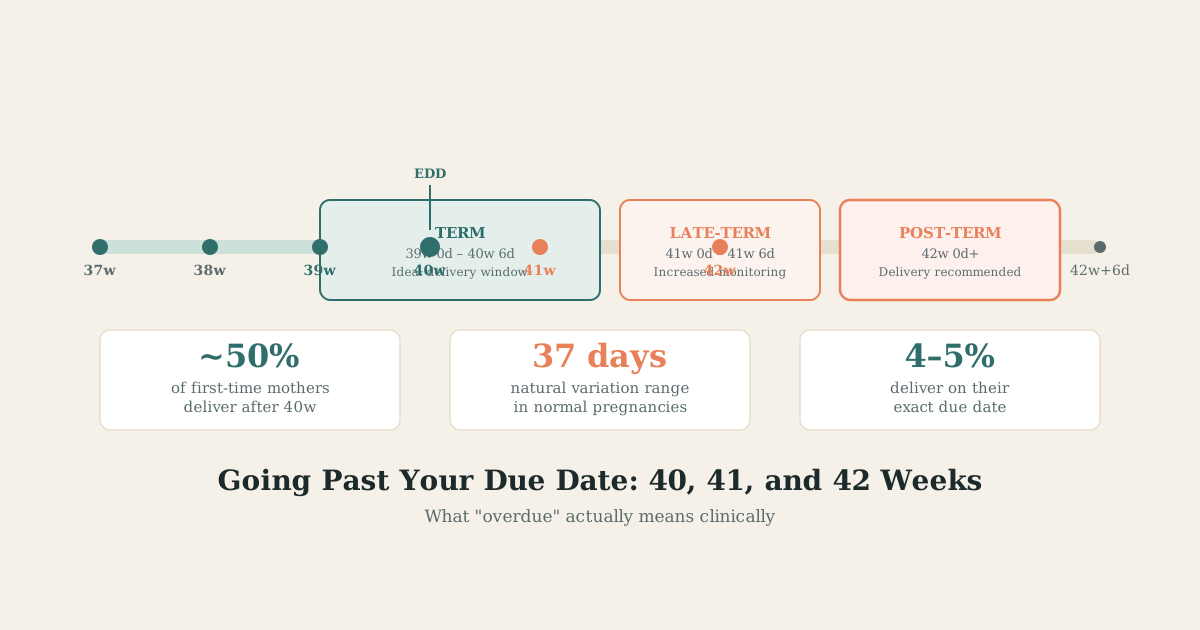
About 50% of first-time mothers deliver after their due date. Here's what "overdue" actually means clinically, what monitoring involves, and when induction is recommended.
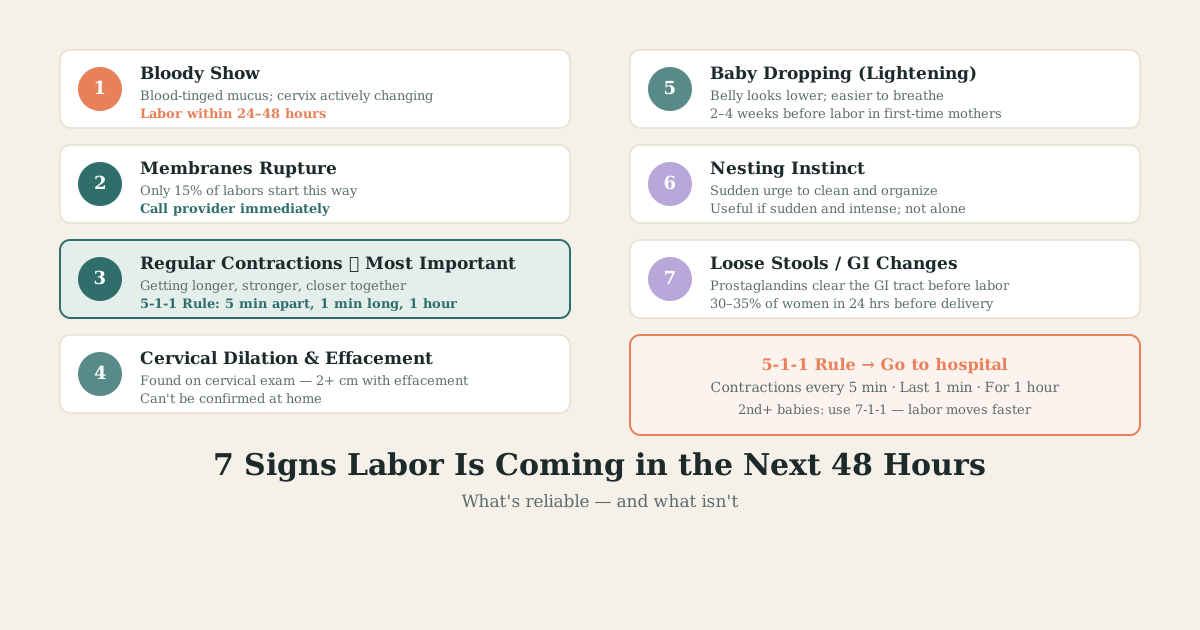
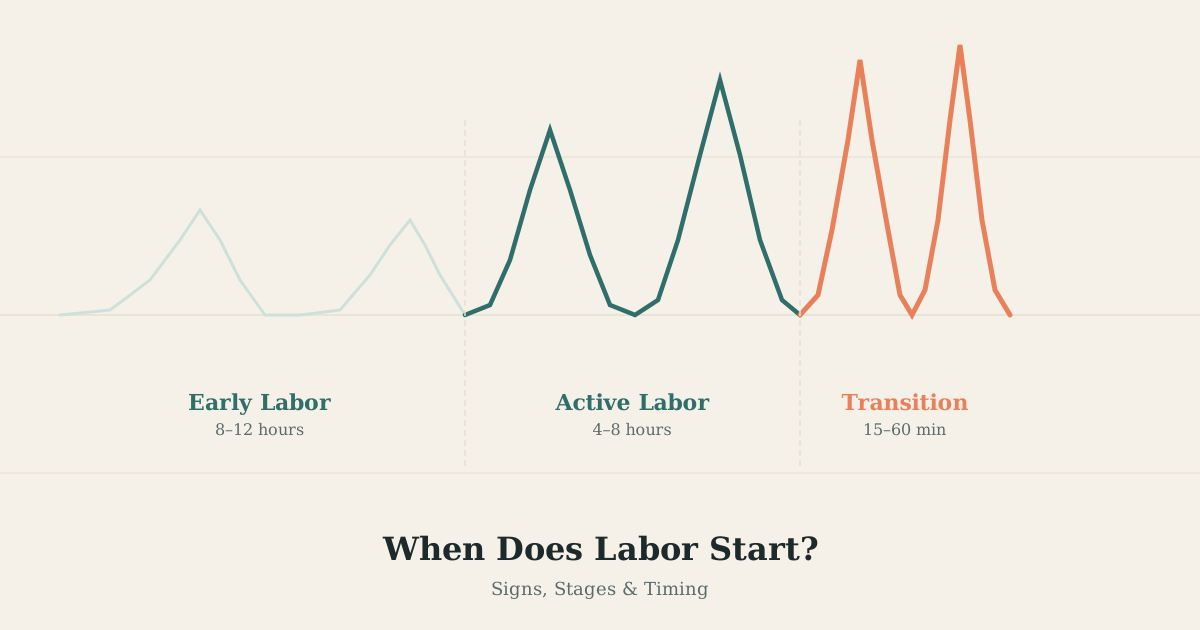
Bloody show, regular contractions, water breaking, and 4 other signs that labor may start within 48 hours, plus the 5-1-1 rule for when to go to the hospital.
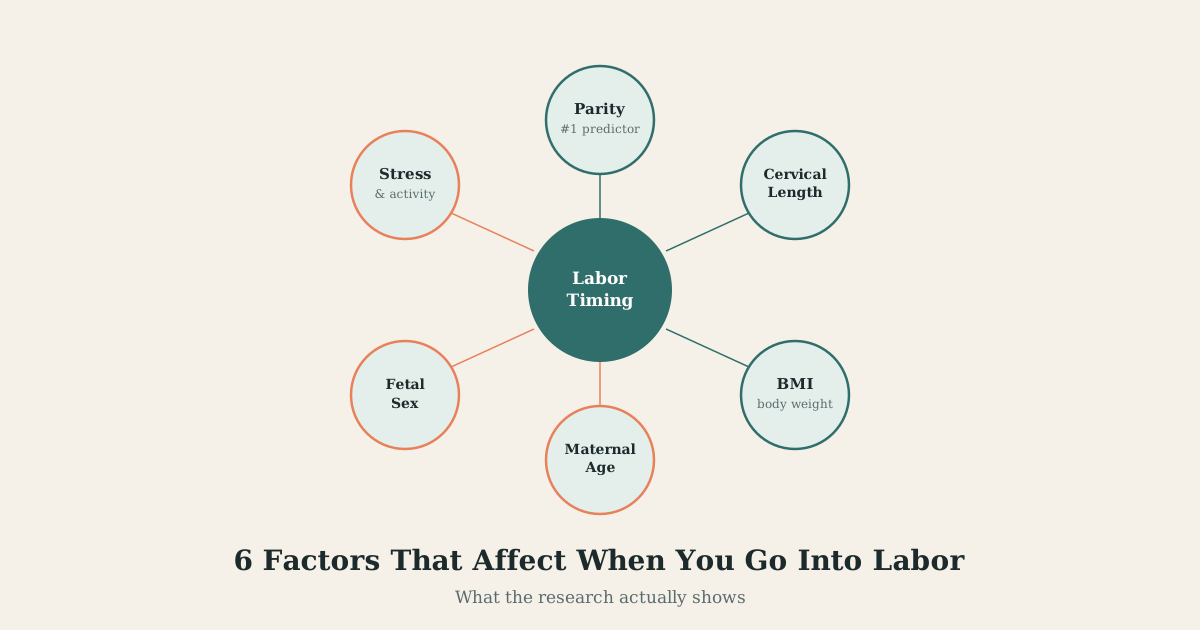
Parity, cervical length, BMI, maternal age, fetal sex, and stress all influence labor timing. Here's what the research actually says about each.
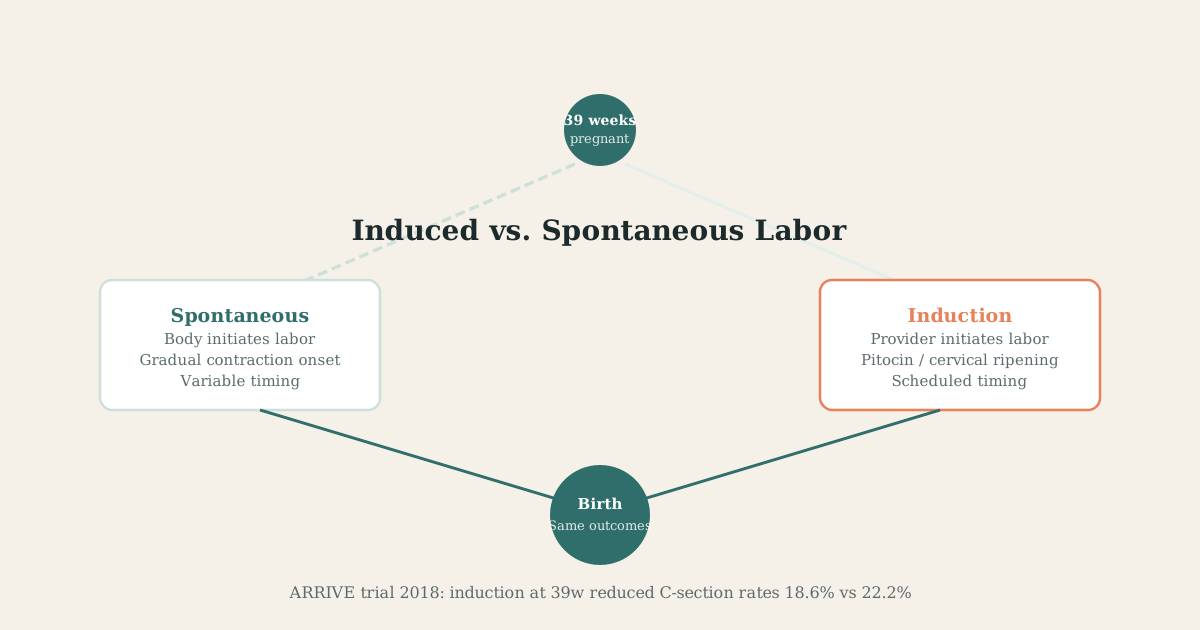
ACOG recommends offering induction at 39-41 weeks. Here's how induction works, what the ARRIVE trial found, and how induced labor differs from spontaneous.
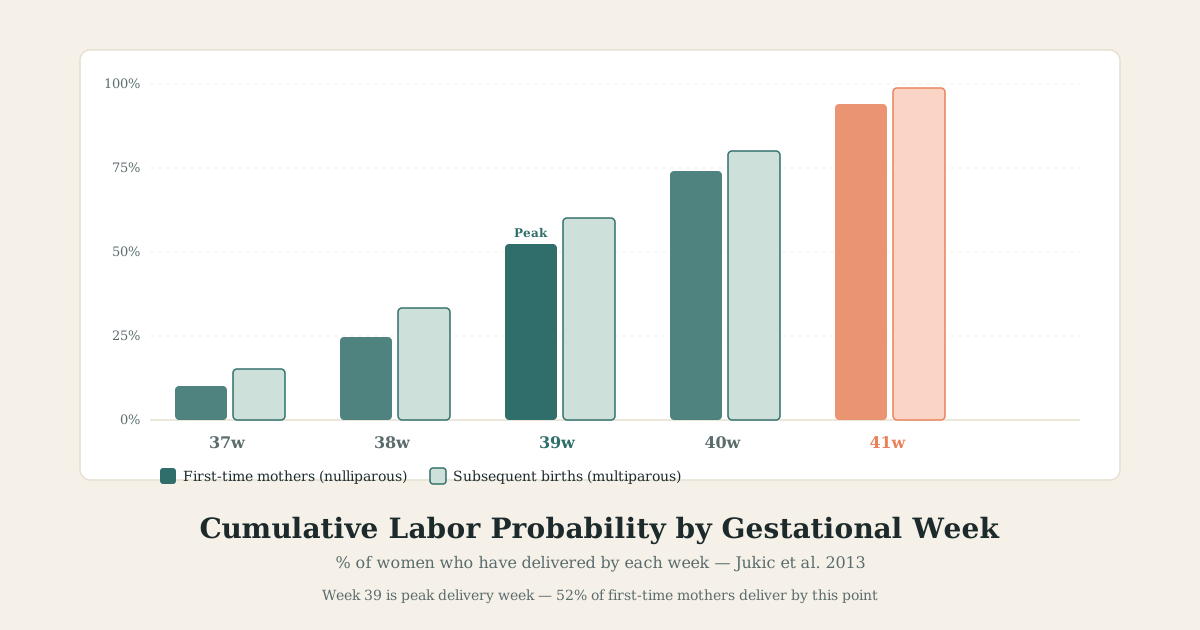
Week 39 is the single busiest delivery week, but 26% of first-time mothers are still pregnant at 40+0. Here's the actual data table, and what it means.
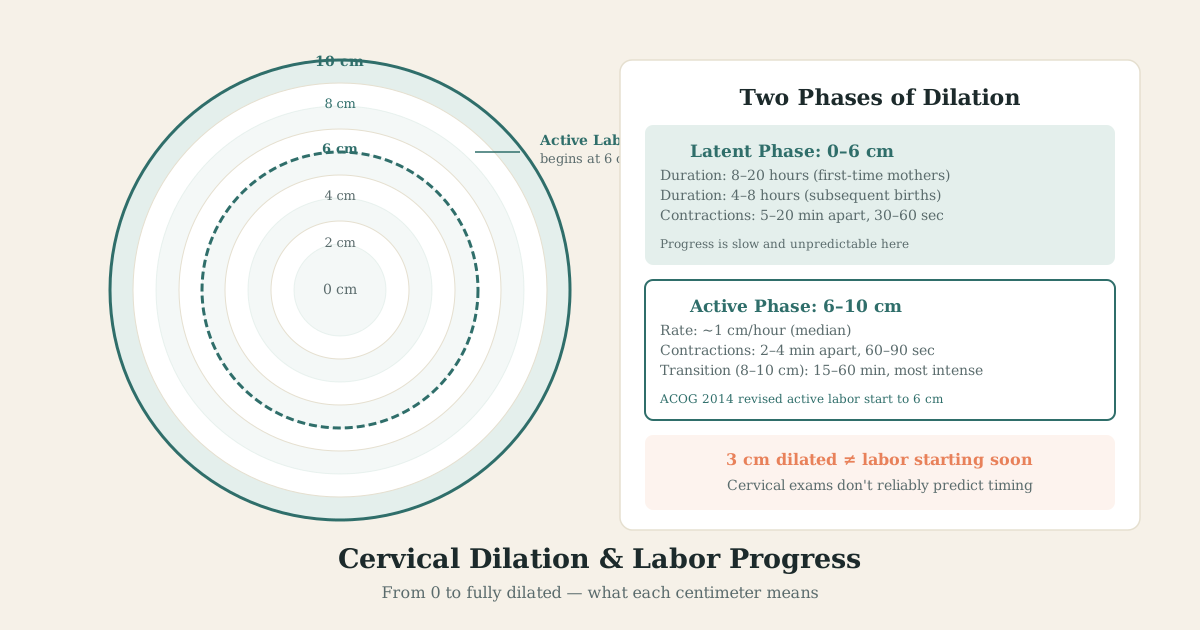
Dilation from 0 to 6 cm can take days. From 6 to 10 cm typically takes 1-3 hours in active labor. Here's what each number actually means.
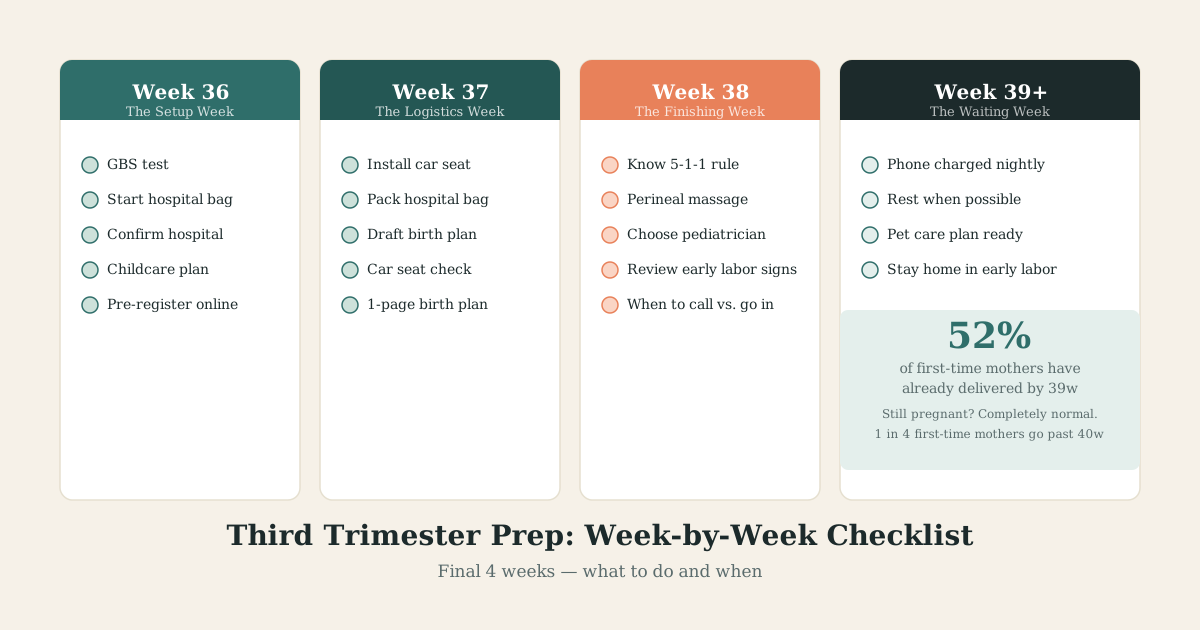
Weeks 36-40 each have specific tasks: GBS testing, car seat installation, hospital bag, birth plan. Here's the week-by-week checklist with specifics.
Braxton Hicks stop when you move, hydrate, or rest. Real labor contractions keep coming and get closer together. Here is how to test the difference at home.
Time from the start of one contraction to the start of the next, not the gap between them. Here is the correct method, the 5-1-1 rule, and the mistakes that mislead.
Only a minority of labors begin with the water breaking. Here is how to tell amniotic fluid from urine, which colors are emergencies, and why the clock starts at rupture.
First, second, and third stage, plus the recovery hour often called the fourth. What happens in each, and how long each typically lasts.
Pregnancy weeks count from your last period, not conception, so you are "2 weeks pregnant" before conception happens. Here is how the system works.
In 2013, ACOG and SMFM split the old 37-to-42-week "term" window into four labeled categories. Here is what each one means and why the change was made.
Preterm labor means regular contractions and cervical change before 37 weeks. Here are the warning signs, the real risk factors, and why to call right away.
Most people with one prior low-transverse cesarean are candidates for a trial of labor. Here is how success odds, timing, and the 39 to 41 week window work.

Twins average around 35 to 36 weeks, and chorionicity drives monitoring intensity and recommended delivery timing. Here is why multiples arrive early.
A positive GBS swab is common, not an infection, and not your fault. It changes one thing: you get IV antibiotics during labor, ideally a few hours before delivery.
Cervical length is one of the genuinely predictive measurements in obstetrics. A short cervix shifts the probability of preterm birth. It does not decide the outcome.
Most hospital bag lists are twice as long as they need to be. Here is what to pack in three bags, what the hospital already supplies, and what people wish they had brought.

Five cervical findings, scored and added up. The Bishop score is the number behind "your cervix isn't favorable yet" and it shapes how an induction is likely to go.

An honest review of nipple stimulation, sex, dates, raspberry leaf tea, castor oil, pineapple and more, and how strong the research behind each one actually is.
What a membrane sweep actually does, what it feels like, when it is offered, what the research says about avoiding formal induction, and when to call after one.