Go to CalculatorSkip to Main Content
All articles

Due Dates Articles

Why a due date is a probability distribution rather than an appointment, and how the dating system actually works.

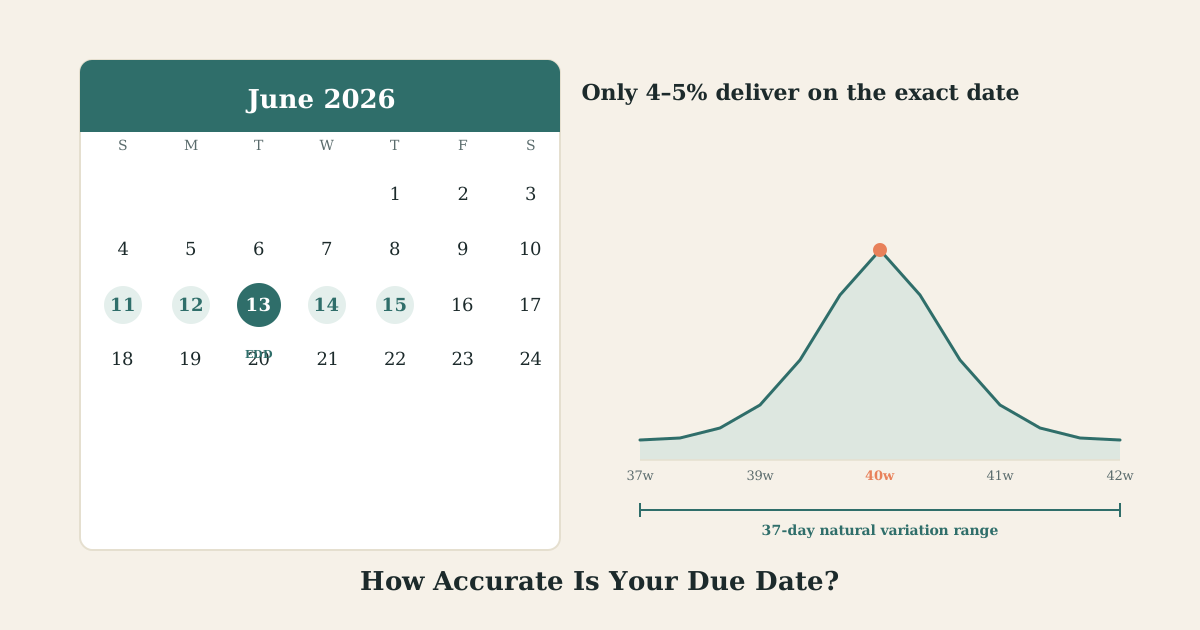
A due date is presented as a single circled day, which is a genuinely misleading way to describe a spontaneous biological event. Only a small minority of babies arrive on it. Research on naturally conceived pregnancies has documented a spread of well over a month in normal gestational length, which means the date is better understood as the centre of a wide distribution than as a deadline.

This section covers the machinery behind that number: how gestational age is counted from the last menstrual period rather than from conception, why that makes you nominally two weeks pregnant before conception occurred, what the term categories mean after ACOG and SMFM split them in 2013, and how first and later babies differ in timing.

These are also the articles most directly connected to the calculator on this site, which turns the same published research into a week-by-week probability rather than a single date.

7 articles in this category.
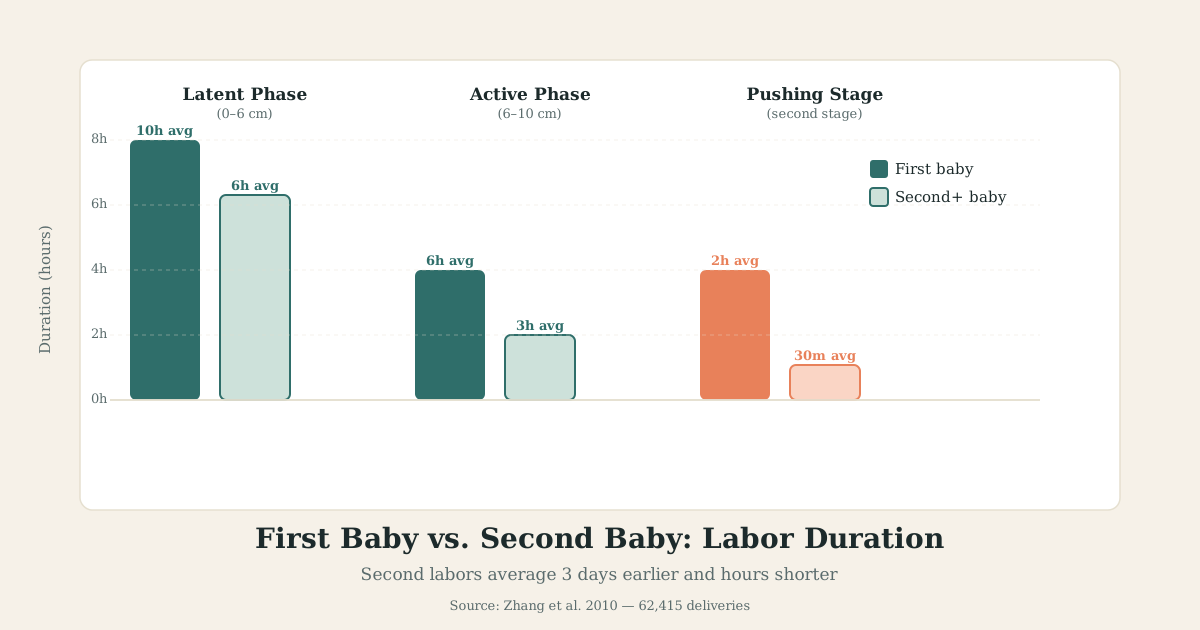
Illustration for How Accurate Is Your Due Date? What Research Shows
due-dates7 min read

How Accurate Is Your Due Date? What Research Shows

Only 4-5% of babies arrive on their due date. Here's what the research says about how accurate EDD calculations really are, and what that means for you.

Read
Illustration for First Baby vs Second Baby: How Labor Timing Differs
due-dates7 min read

First Baby vs Second Baby: How Labor Timing Differs

Second labors average 3 days earlier and hours shorter than first. Here's what the data shows about how labor timing and duration differ between first and subsequent births.

Read
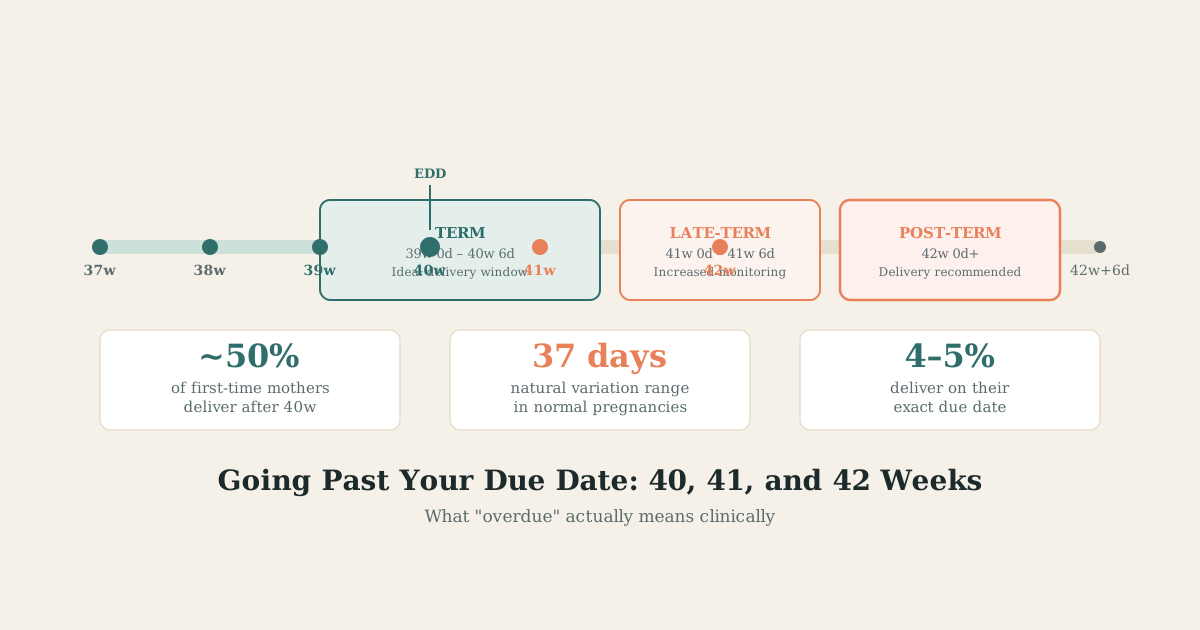
Illustration for Going Past Your Due Date: 40, 41, and 42 Weeks
due-dates8 min read

Going Past Your Due Date: 40, 41, and 42 Weeks

About 50% of first-time mothers deliver after their due date. Here's what "overdue" actually means clinically, what monitoring involves, and when induction is recommended.

Read
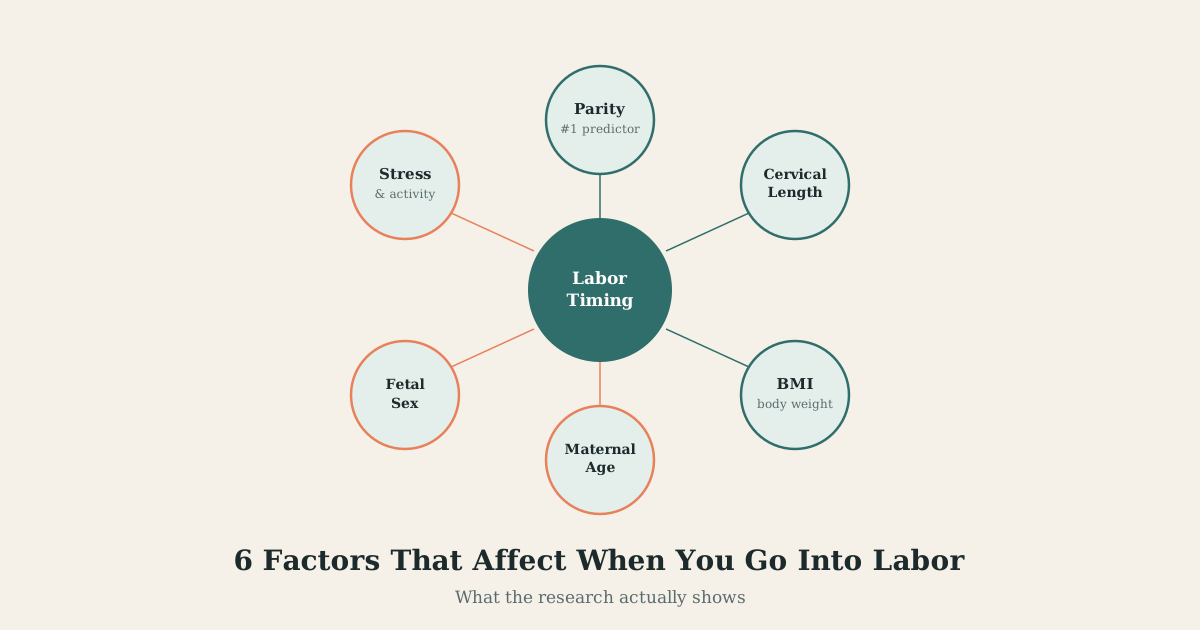
Illustration for What Affects When You Go Into Labor? 6 Key Factors Explained
due-dates7 min read

What Affects When You Go Into Labor? 6 Key Factors Explained

Parity, cervical length, BMI, maternal age, fetal sex, and stress all influence labor timing. Here's what the research actually says about each.

Read
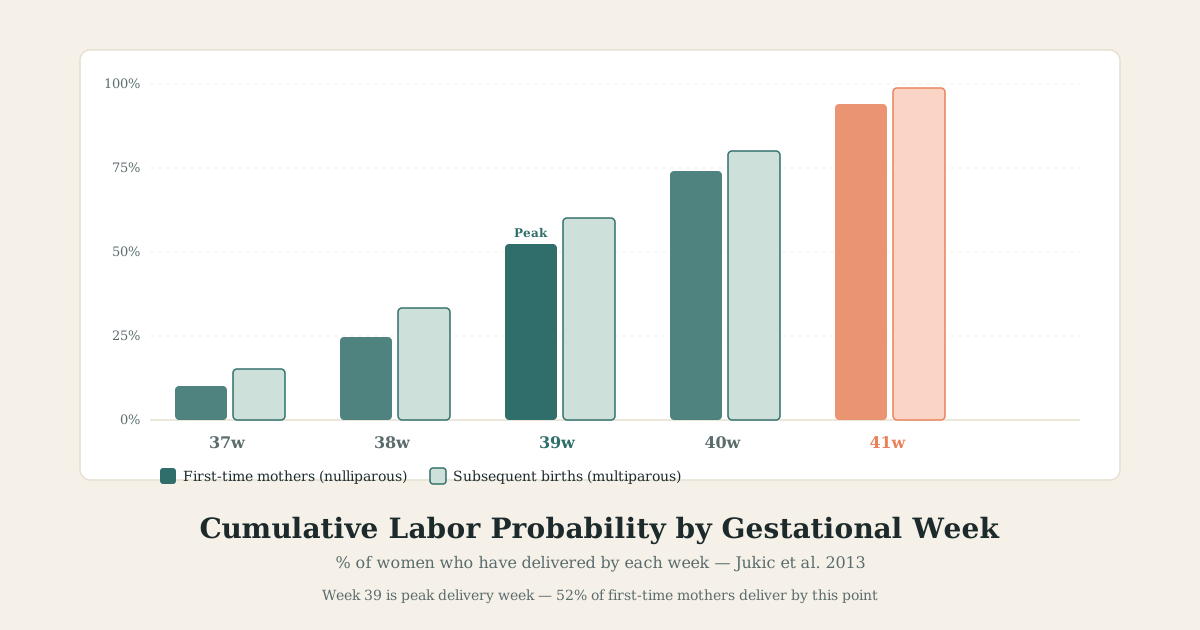
Illustration for Labor Probability by Week: When Babies Actually Arrive
due-dates6 min read

Labor Probability by Week: When Babies Actually Arrive

Week 39 is the single busiest delivery week, but 26% of first-time mothers are still pregnant at 40+0. Here's the actual data table, and what it means.

Read
Illustration for Gestational Age vs Fetal Age: How Weeks Are Counted
due-dates7 min read

Gestational Age vs Fetal Age: How Weeks Are Counted

Pregnancy weeks count from your last period, not conception, so you are "2 weeks pregnant" before conception happens. Here is how the system works.

Read
Illustration for Early Term, Full Term, Late Term, Post Term: What Each Means
due-dates8 min read

Early Term, Full Term, Late Term, Post Term: What Each Means

In 2013, ACOG and SMFM split the old 37-to-42-week "term" window into four labeled categories. Here is what each one means and why the change was made.

Read